
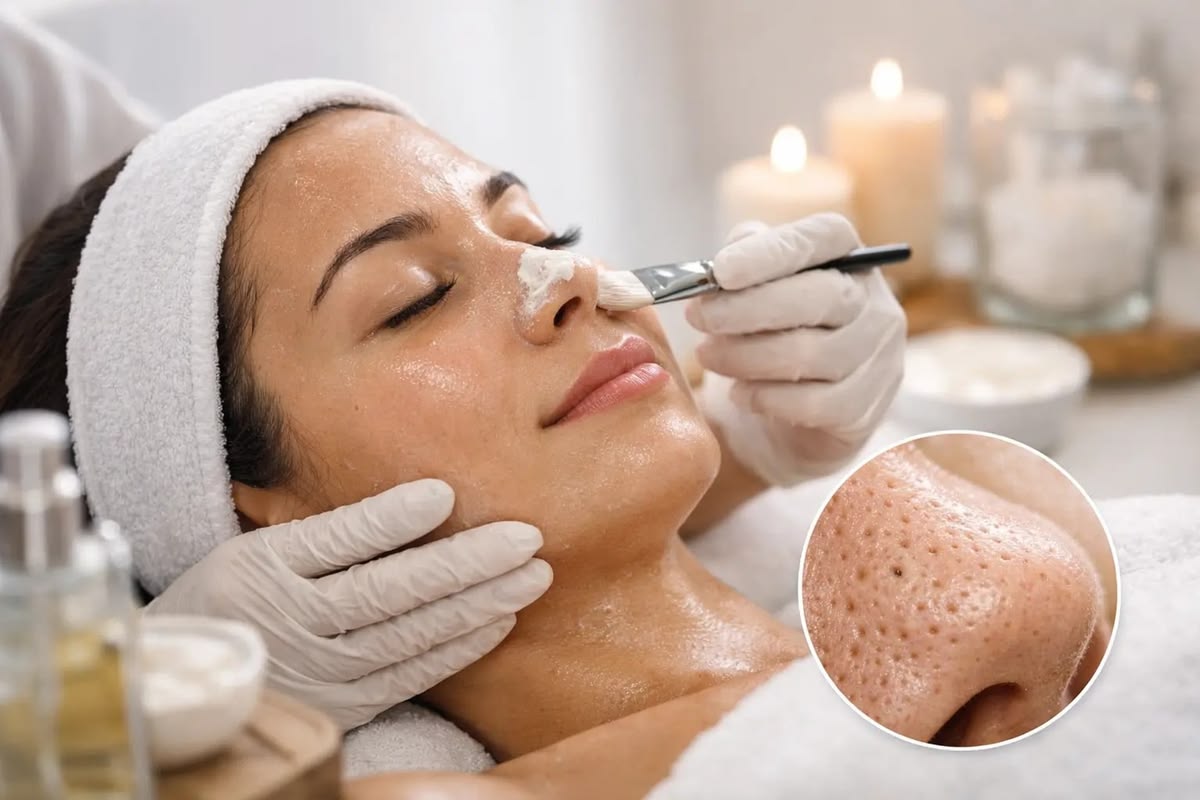
The most effective anti-aging strategy is not a single "miracle cure," but rather a tiered approach of daily foundational protection combined with targeted professional treatments. According to evidence-based medical frameworks, first-line treatment is always sun protection, topical retinoids, and antioxidants; second-line treatment involves laser and energy-based devices; emerging therapies serve as supplementary options.
Daily Skincare: The Non-Negotiable Foundation
Regardless of age or treatment plan, the following three steps are the cornerstone of maintaining youthful skin:
Strict Sun Protection: This is the most critical anti-aging step. Dermatologist surveys show that mineral sunscreens (containing zinc oxide or titanium dioxide) are considered effective in preventing wrinkles by 96.8% of experts, with the highest level of recognition. UV radiation is the primary culprit in accelerating collagen breakdown and photoaging.
Topical Retinoids: Recognized as the most effective topical ingredient for improving fine lines (expert recognition also at 96.8%). They promote cell turnover and stimulate collagen production. If you have sensitive skin, you can start with low concentrations or use them every other day to build tolerance.
Antioxidants (Such as Vitamin C): Used in the morning, they help neutralize free radicals from UV and environmental pollution, protecting collagen from damage. 88.7% of dermatologists recognize the effectiveness of vitamin C for fine lines.
Professional Treatments: Targeted for Wrinkles and Laxity
When topical skincare proves insufficient for existing sagging and deep wrinkles, energy-based devices and injectables become the primary solutions.
Energy-Based Devices (Laser/Radiofrequency/Ultrasound): These devices deliver controlled thermal energy to the dermis, triggering collagen remodeling and neocollagenesis.
Fractional CO₂ Laser: Used for resurfacing, improving photoaging and skin texture, and upregulating collagen expression.
Radiofrequency Microneedling: Combines physical microneedling with radiofrequency energy, effectively improving skin laxity and wrinkles, inducing dermal remodeling.
Intense Pulsed Light (IPL): Improves pigmentation while enhancing fibroblast activity and promoting collagen and elastin production.
Injectable Treatments:
Biostimulator Fillers (Such as Poly-L-Lactic Acid): Not simply "filling" but activating the TGF-β pathway to stimulate the skin's own collagen and elastin production.
Botulinum Toxin: Used to improve dynamic wrinkles (such as glabellar lines and crow's feet) by temporarily relaxing the muscles.
Chemical Peels: Using alpha-hydroxy acids (AHA), salicylic acid, or trichloroacetic acid (TCA) to cause controlled exfoliation, promoting regeneration and improving texture and pigmentation.
Age-Specific Strategies
Collagen loss begins around age 25 at a rate of approximately 1% per year, so strategies should vary by age:
20s (Prevention Phase): Sun protection + Vitamin C + optional low-concentration retinol. Focus on establishing habits, no need for complex routines.
30s-40s (Early Intervention Phase): Add peptides, growth factors, and consider introducing non-invasive radiofrequency or IPL to maintain firmness.
50s and Beyond (Repair and Rebuilding Phase): Collagen loss accelerates after menopause (first 5 years can decrease by 30%). Need richer moisturizing products containing ceramides to repair the barrier, and may combine with higher-intensity energy-based treatments (such as radiofrequency lifting, ultrasound tightening) to address sagging.
Important Note: "Emerging" ingredients such as NAD+ and exosomes have shown potential in laboratory and small-scale studies, but clinical evidence in aesthetic medicine is still accumulating, and are not yet as clearly effective as the "golden trio" of sun protection, retinoids, and Vitamin C. If you have specific skin concerns (such as stubborn pigmentation or pronounced sagging), consulting a board-certified dermatologist to develop a personalized treatment plan is more reliable than blindly following trends.