
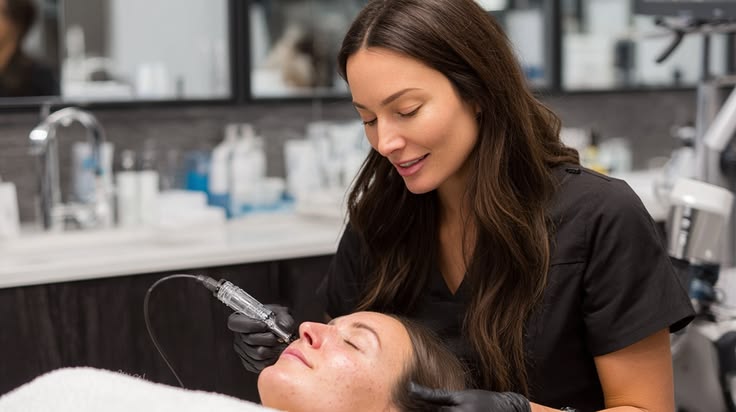
Pigmentation problems are essentially caused by "overactive or underactive melanocytes." For the most common hyperpigmentation (dark spots), the core treatment principle is: first block the trigger, then use active ingredients or medical procedures to fade existing pigment. However, no matter which method is used, strict sun protection is the foundation—without it, all other treatments will yield half the result with twice the effort.
First Understand: What Type of Pigmentation Do You Have?
Pigmentation is not a single disease, and different types require completely different treatment strategies.
Post-inflammatory hyperpigmentation (PIH): The most common type, left behind after acne, insect bites, eczema, or injuries. It is the skin's inflammatory response that stimulates excessive melanin production. The key is to treat the underlying inflammation first (such as clearing acne), then wait for it to fade naturally or use fading products to accelerate improvement.
Melasma: Symmetrical grayish-brown patches on the face, related to hormones, genetics, and UV exposure, and is chronic and prone to recurrence. Treatment requires long-term maintenance, and visible light protection is particularly important.
Solar lentigines (age spots/liver spots): Clearly defined brown spots on sun-exposed areas (face, back of hands), directly caused by cumulative sun exposure, usually appearing in middle age and beyond.
Freckles: Small light brown spots, related to genetics, deepen with sun exposure, and lighten when sun exposure is reduced.
The Absolute Foundation: Sun Protection (Especially for Hyperpigmentation-Prone Skin)
For pigmentation-prone skin, ordinary sunscreen is not enough. Current dermatology consensus explicitly recommends: choose tinted sunscreen containing iron oxide or titanium dioxide.
Why tinted? Because ordinary sunscreen only blocks UVB and UVA, but visible light (especially blue light) can also directly stimulate melanocytes to produce pigment, worsening melasma and PIH. Iron oxide is the key ingredient that blocks visible light.
How to choose: Look for labels indicating SPF 30 or higher, broad-spectrum protection, and iron oxide in the ingredient list (usually listed as an inactive ingredient).
How to use: Apply enough (about a quarter teaspoon for the entire face), and reapply every 2 hours during outdoor activities. For melasma or PIH, even when indoors by a window, it is recommended to apply sunscreen.
Topical Active Ingredients: Evidence-Based Options
First-line: Hydroquinone
Considered the "gold standard" for fading pigmentation, it inhibits tyrosinase activity and reduces melanin production. It is a prescription drug and must be used under medical supervision; long-term unsupervised use carries risks of side effects. Triple combination cream (hydroquinone + tretinoin + corticosteroid) is an effective option for treating melasma.
Alternatives and Adjuvants (Over-the-Counter or Prescription):
Retinoids (tretinoin, adapalene, etc.): Promote epidermal turnover, accelerate pigment metabolism, and are also effective for acne-induced PIH.
Azelaic acid, kojic acid, vitamin C, alpha arbutin: Inhibit melanin synthesis or have antioxidant effects, suitable for long-term maintenance or for those intolerant to hydroquinone.
Chemical peels (AHA/BHA): Accelerate pigment shedding by exfoliating the stratum corneum, with better results for epidermal pigmentation; must be performed under medical supervision to avoid Post-inflammatory hyperpigmentation (PIH) from irritation.
Medical Procedures: When Topicals Are Not Enough
For stubborn or deep pigmentation, medical procedures can be considered, but must be performed by a dermatologist, and the type of pigmentation must be correctly identified first, otherwise improper operation may worsen the pigmentation.
Laser/Intense Pulsed Light (IPL): Such as Q-switched lasers, picosecond lasers, targeting melanin particles. Effective for solar lentigines and freckles, but melasma requires careful selection of parameters to avoid stimulation.
Chemical peels: Medical-grade deep peels can improve melasma and PIH, but require multiple sessions and professional monitoring.
Realistic Expectations: Fading Takes Time
For pigmentation located in the superficial layer (epidermis), even with treatment, fading typically takes 6 to 12 months. Pigmentation located in the deep layer (dermis) appears bluish-gray and may take years to fade, or may not completely resolve. Therefore, early intervention and persistent sun protection are the most effective "shortcuts."
Note: If you see "apply lemon juice" or "turmeric mask" type DIY remedies on social media, proceed with caution. Lemon juice is phototoxic and may cause severe pigmentation (phytophotodermatitis) on skin exposed to sunlight, especially in darker skin tones, potentially making the condition worse. For pigmentation problems, consulting a dermatologist for an accurate diagnosis and treatment plan is far more reliable than trying random remedies
First Understand: What Type of Pigmentation Do You Have?
Pigmentation is not a single disease, and different types require completely different treatment strategies.
Post-inflammatory hyperpigmentation (PIH): The most common type, left behind after acne, insect bites, eczema, or injuries. It is the skin's inflammatory response that stimulates excessive melanin production. The key is to treat the underlying inflammation first (such as clearing acne), then wait for it to fade naturally or use fading products to accelerate improvement.
Melasma: Symmetrical grayish-brown patches on the face, related to hormones, genetics, and UV exposure, and is chronic and prone to recurrence. Treatment requires long-term maintenance, and visible light protection is particularly important.
Solar lentigines (age spots/liver spots): Clearly defined brown spots on sun-exposed areas (face, back of hands), directly caused by cumulative sun exposure, usually appearing in middle age and beyond.
Freckles: Small light brown spots, related to genetics, deepen with sun exposure, and lighten when sun exposure is reduced.
The Absolute Foundation: Sun Protection (Especially for Hyperpigmentation-Prone Skin)
For pigmentation-prone skin, ordinary sunscreen is not enough. Current dermatology consensus explicitly recommends: choose tinted sunscreen containing iron oxide or titanium dioxide.
Why tinted? Because ordinary sunscreen only blocks UVB and UVA, but visible light (especially blue light) can also directly stimulate melanocytes to produce pigment, worsening melasma and PIH. Iron oxide is the key ingredient that blocks visible light.
How to choose: Look for labels indicating SPF 30 or higher, broad-spectrum protection, and iron oxide in the ingredient list (usually listed as an inactive ingredient).
How to use: Apply enough (about a quarter teaspoon for the entire face), and reapply every 2 hours during outdoor activities. For melasma or PIH, even when indoors by a window, it is recommended to apply sunscreen.
Topical Active Ingredients: Evidence-Based Options
First-line: Hydroquinone
Considered the "gold standard" for fading pigmentation, it inhibits tyrosinase activity and reduces melanin production. It is a prescription drug and must be used under medical supervision; long-term unsupervised use carries risks of side effects. Triple combination cream (hydroquinone + tretinoin + corticosteroid) is an effective option for treating melasma.
Alternatives and Adjuvants (Over-the-Counter or Prescription):
Retinoids (tretinoin, adapalene, etc.): Promote epidermal turnover, accelerate pigment metabolism, and are also effective for acne-induced PIH.
Azelaic acid, kojic acid, vitamin C, alpha arbutin: Inhibit melanin synthesis or have antioxidant effects, suitable for long-term maintenance or for those intolerant to hydroquinone.
Chemical peels (AHA/BHA): Accelerate pigment shedding by exfoliating the stratum corneum, with better results for epidermal pigmentation; must be performed under medical supervision to avoid Post-inflammatory hyperpigmentation (PIH) from irritation.
Medical Procedures: When Topicals Are Not Enough
For stubborn or deep pigmentation, medical procedures can be considered, but must be performed by a dermatologist, and the type of pigmentation must be correctly identified first, otherwise improper operation may worsen the pigmentation.
Laser/Intense Pulsed Light (IPL): Such as Q-switched lasers, picosecond lasers, targeting melanin particles. Effective for solar lentigines and freckles, but melasma requires careful selection of parameters to avoid stimulation.
Chemical peels: Medical-grade deep peels can improve melasma and PIH, but require multiple sessions and professional monitoring.
Realistic Expectations: Fading Takes Time
For pigmentation located in the superficial layer (epidermis), even with treatment, fading typically takes 6 to 12 months. Pigmentation located in the deep layer (dermis) appears bluish-gray and may take years to fade, or may not completely resolve. Therefore, early intervention and persistent sun protection are the most effective "shortcuts."
Note: If you see "apply lemon juice" or "turmeric mask" type DIY remedies on social media, proceed with caution. Lemon juice is phototoxic and may cause severe pigmentation (phytophotodermatitis) on skin exposed to sunlight, especially in darker skin tones, potentially making the condition worse. For pigmentation problems, consulting a dermatologist for an accurate diagnosis and treatment plan is far more reliable than trying random remedies